Blog

Power Preparedness: Modern Generator Solutions That Keep You Running
Safety and Code Compliance Reliable power isn’t just a convenience—it’s a resilience strategy. From home offices to neighborhood shops, more people are investing in standby and portable generators to bridge utility outages. Safety is the foundation of every decision. A licensed Electrician evaluates panel capacity, grounding, transfer-switch placement, and ventilation to prevent backfeeding and carbon monoxide hazards. An experienced Electrical Contractor also interprets local codes and permitting requirements, ensuring that every component—from the generator pad to the interlock—is compliant and ready for inspection. This diligence protects people, property, and equipment while setting the stage for long-term performance. Smart Planning for Generator Readiness A thoughtful plan starts with an honest load assessment. The goal is to power essentials without overtaxing the system. Critical loads typically include refrigeration, heating equipment, medical devices, sump pumps, lighting, and network hardware. Prioritizing these circuits clarifies fuel type, generator size, and switching method. An Electrical Installation Service can map your panel, label circuits, and recommend a transfer switch or automatic transfer switch (ATS) that matches your needs and budget. In many cases, adding dedicated outdoor receptacles, weatherproof inlets, and surge protection simplifies operation and safeguards electronics when storms roll through. Installation Done Right Proper placement and installation are nonnegotiable. Generators require clearance for exhaust, service access, and airflow, as well as a stable base that resists vibration. Conduit runs should be tidy, sealed, and sized appropriately. Fuel considerations matter: gas piping or fuel lines must be routed and supported correctly, with shutoffs accessible and code-compliant. An Electrical Contractor coordinates with utility providers and inspectors, schedules any necessary meter work, and ensures neutral bonding is configured correctly for the chosen transfer method. When an Electrical Installation Service handles these tasks end-to-end, the result is a clean, reliable system that engages seamlessly when power drops. Caring for the System Like any engine-driven machine, a generator rewards regular attention. Service & Maintenance keeps equipment ready for unexpected outages and extends useful life. Maintenance typically includes oil and filter changes, battery checks, exercising the unit under load, inspecting transfer switches, and confirming voltage and frequency stability. An Electrician can also test GFCI and AFCI protection, verify grounding electrode integrity, and review ventilation pathways. Documenting dates, parts, and readings streamlines future diagnostics and supports warranty requirements. When Repair and Replacement Make Sense Even well-maintained systems encounter wear. Repair and Replacement decisions hinge on parts availability, total runtime, and changes in power needs. Symptoms that deserve immediate attention include hard starting, fluctuating power, unusual vibrations, recurring fault codes, and fuel or exhaust odors. Timely repairs prevent small issues from escalating into costly failures. If your power profile has evolved—perhaps you added heat pumps, EV charging, or expanded workspace—an upgrade may deliver better efficiency and quieter operation while meeting today’s demands. Practical Tips for Smooth Operation - Keep a clear, ventilated area around the unit and transfer equipment - Label critical loads and store an updated one-line diagram - Exercise the generator on a regular schedule - Monitor fuel quality and keep spare filters on hand - Record service intervals and test results for quick reference

The Power Behind Reliable Electrical Systems: Generators, Safety, and Skilled Service
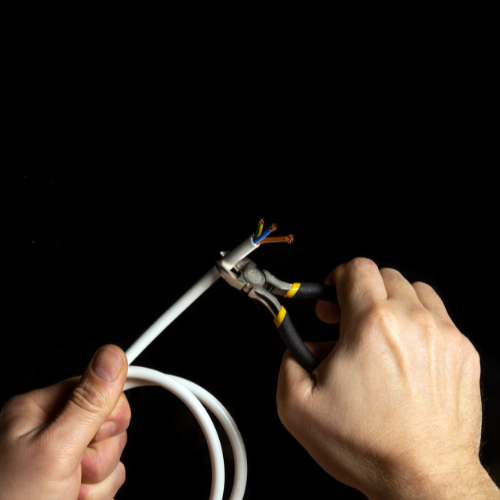
Reliable Power Solutions for Homes and Small Businesses Power keeps modern life moving, and a stable electrical system is essential for comfort, safety, and productivity. From panel upgrades to standby generators, today’s projects demand careful planning and experienced hands. Whether you’re preparing for outages or updating aging wiring, the right mix of design, installation, and maintenance helps prevent hazards and reduces downtime. A qualified Electrician can evaluate existing infrastructure, recommend improvements, and complete work that aligns with current codes and best practices. The Role of a Licensed Electrician Licensed professionals bring training, diagnostic skill, and practical know-how to complex electrical work. Beyond connecting wires, a seasoned Electrician balances load calculations, circuit protection, grounding, and surge strategies to support dependable power. This is especially important when adding a generator, where transfer switches, fuel considerations, and ventilation must be addressed. With safety at the forefront, a pro can identify hidden risks and deliver solutions that stand up to daily use and emergency demands. Why Generators Deserve Priority Outages can halt business operations and interrupt home life. A properly selected generator restores essential circuits and protects sensitive electronics from abrupt shutdowns. Sizing matters: the unit should support key loads without stressing equipment. Placement also matters, ensuring clearances and ventilation. Coordinating the generator with the main service requires expertise and a detailed plan, which is where an Electrical Installation Service provides crucial guidance from assessment through commissioning. Choosing the Right Electrical Installation Service A dependable Electrical Installation Service looks beyond the immediate project to ensure future-ready performance. That means evaluating panel capacity, wire condition, and grounding while mapping priorities like refrigeration, heating, medical devices, and internet equipment. Clear documentation, labeled circuits, and thoughtful layout reduce confusion and speed up troubleshooting later. The best outcomes come from a collaborative approach that respects both safety codes and real-world needs. Maintenance and Repair Essentials Even the best systems require attention over time. Routine inspections can catch wear, loose terminations, or corrosion before they become major problems. Generators benefit from scheduled test runs, battery checks, and fuel system care to ensure a smooth start when the lights go out. When issues arise, prompt Repair and Replacement Service prevents minor faults from cascading into widespread failures. Properly rated parts and methodical testing return systems to reliable operation. What to Expect from an Electrical Contractor An experienced Electrical Contractor coordinates design, permitting, sourcing, and installation with an eye for detail. From the initial walk-through to the final quality check, they verify code compliance and performance under load. Communication matters, too: a clear scope, realistic timelines, and transparent updates help projects stay on track and minimize disruption. Whether upgrading service equipment or integrating a generator, their leadership keeps everything organized and accountable.
Reliable Power Solutions for Modern Homes and Businesses
Power interruptions can derail workdays, disrupt home routines, and compromise safety. That’s why more property owners are prioritizing reliable backup power and modern electrical systems. A qualified Electrician can guide you from assessment to commissioning, ensuring the right generator, the correct capacity, and code-compliant work that performs when it matters. With a focus on Electrical Installation, Repair, and Replacement Service & Maintenance that specialize in Generators, smart planning today prevents costly downtime tomorrow. Why Backup Power Matters Year-Round Outages aren’t limited to storms. Grid maintenance, equipment failures, and neighborhood construction can trigger unexpected losses of power. A professionally sized and installed generator safeguards refrigerators, HVAC systems, medical devices, security equipment, and essential electronics. Beyond comfort, it’s about protecting property and maintaining continuity for home offices and small businesses. An experienced Electrical Contractor can recommend options aligned with your electrical panel, fuel availability, and usage priorities. Choosing the Right Generator for Your Needs The right system begins with accurate load planning. A licensed Electrician will inventory critical circuits, evaluate surge demands from appliances, and plan for future upgrades. Portable units can be practical for limited loads, but many owners prefer automatic standby generators for seamless transitions during outages. Whether the goal is to power a handful of essentials or keep an entire property operational, an informed consultation sets expectations and avoids costly oversights. Installation Essentials and Safety Standards Quality installations rely on attention to code, ventilation, grounding, and transfer mechanisms. An Electrical Installation Service ensures the transfer switch isolates your property from the grid, preventing dangerous backfeed. Proper placement accounts for clearance, exhaust, and service access. Fuel lines, wiring methods, and panel connections must be routed and labeled correctly. The result is a clean, professional installation that’s ready to perform and easy to maintain. Proactive Maintenance for Long-Term Reliability Even the best equipment needs consistent care. Routine checks protect warranties, catch small issues early, and verify readiness. Replacement Service & Maintenance should be scheduled at regular intervals to service filters, batteries, and consumables, and to test-run the system under load. Keeping a maintenance log gives you a clear picture of system health and helps your Electrical Contractor track recurring patterns that may indicate deeper issues. A Practical Checklist for Generator Readiness 1) Confirm load priorities: Identify which circuits must stay powered and verify the generator’s capacity matches those essentials. 2) Inspect the transfer switch: Ensure it operates smoothly, is labeled clearly, and isolates utility power as designed. 3) Test-run periodically: Exercise the generator on a routine schedule to keep fluids circulating and components ready. 4) Check fuel and ventilation: Verify safe fuel storage, clean airflow, and clearances around the unit for proper cooling. 5) Review battery health: A strong battery is critical for automatic starts; inspect terminals and replace as needed. 6) Verify grounding and bonding: Confirm connections meet current codes to reduce shock and equipment risks. 7) Keep a service record: Document work completed by your Electrician, including parts replaced and test results.
Powering Modern Spaces: Quality, Safety, and Innovation in Today’s Electrical Landscape
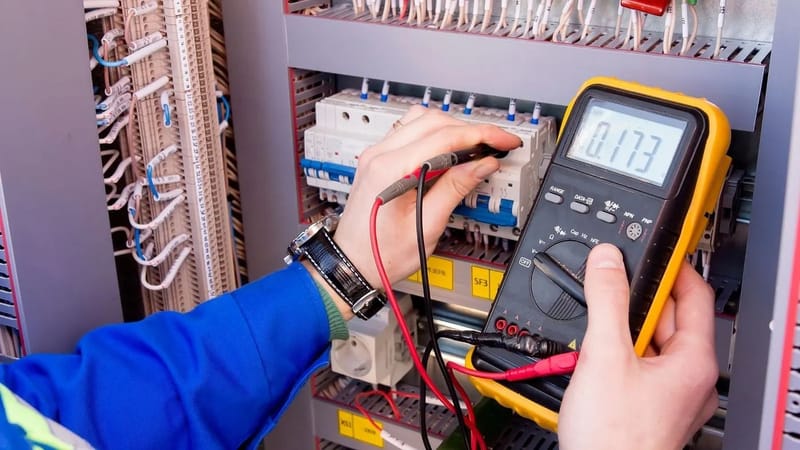
Reliable power is the backbone of every home, shop, and jobsite. From lighting layouts to backup systems and connected devices, electrical work touches nearly every routine task. The industry continues to evolve quickly, guided by rigorous codes, energy efficiency goals, and customer expectations for safe, smart, and resilient installations. Whether you’re planning a remodel or a ground-up build, decisions around design and materials can dramatically affect long-term performance and safety. Safety First and Always Electrical safety begins long before a breaker is switched on. Careful planning, accurate load calculations, and correct conductor sizing ensure circuits work as intended. The right components—rated devices, proper grounding, and arc-fault and ground-fault protection—create layers of defense that minimize risk. A licensed Electrician brings code knowledge and field-tested methods to every step, from rough-in to final trim. Routine maintenance, like checking terminations and labeling panels, helps protect equipment and people over time. Smarter Homes, Smarter Panels Connected homes aren’t just about convenience; they’re about insight and control. Smart panels, submetering, and app-managed lighting or receptacles help track usage and reduce waste. Sensors can tune lighting to occupancy or daylight, and programmable controls improve comfort while cutting utility costs. A well-planned Electrical Installation Service balances tech-forward features with dependable fundamentals—clean wiring, ample capacity for future loads, and clear documentation for easy troubleshooting. Electrification and Load Management As more households and businesses adopt electric appliances, heat pumps, and vehicle charging, load management becomes essential. Service upgrades, load-shedding solutions, and dedicated circuits keep systems stable when demand peaks. An experienced Electrical Contractor evaluates panel space, service capacity, grounding, and bonding to ensure new equipment integrates smoothly. Good design allows room for growth, so adding a workshop circuit or a second EV charger later won’t require starting over. Lighting That Works Hard Lighting sets the tone for every space, but it also affects safety and productivity. LED technology offers excellent efficiency and color consistency, with fixtures sized and located to reduce glare and shadows. Task lighting at counters, balanced ambient light in living areas, and weather-appropriate fixtures outdoors make a noticeable difference. A thoughtful plan addresses luminaires, control strategies, and compatibility with dimmers to prevent flicker and extend component life. What to Expect From a Pro Choosing the right provider means partnering with someone who listens and communicates. The best teams bring clarity to complex choices and keep projects on schedule. Consider the following hallmarks of a quality partner: - Clear, code-compliant designs and permits - Transparent timelines and coordination with other trades - Meticulous workmanship and tidy jobsites - Tested, labeled circuits and documented installs - Responsive support after the work is done
Powering Modern Spaces: Trends and Best Practices in Residential and Commercial Electrical Work
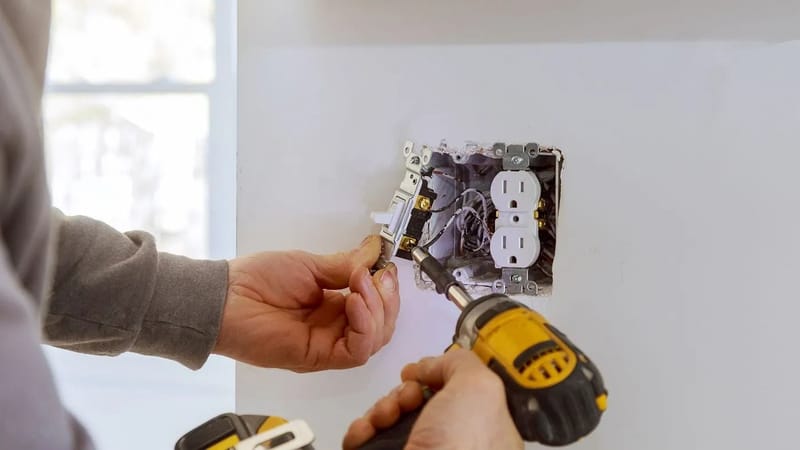
The Evolving Electrical Industry Across homes and businesses, electrical systems are being upgraded to meet modern needs for safety, efficiency, and connectivity. From smart panels to electric vehicle charging, the industry continues to adapt, and so must the people who plan and execute the work. Whether you’re renovating a kitchen, expanding office capacity, or adding outdoor lighting, choosing the right professional and approach can make all the difference. A licensed Electrician, a comprehensive Electrical Installation Service, or a seasoned Electrical Contractor can guide projects from concept to completion with an eye on compliance and longevity. Safety-First Mindset Safety is the bedrock of every electrical project. Proper load calculations, tight connections, and code-compliant grounding reduce the risk of shock and fire. Good planning also anticipates future expansion, preventing overloaded circuits and nuisance tripping. A trained Electrician will evaluate panel capacity, wiring condition, and device ratings before recommending any changes. Clear labeling, tamper-resistant receptacles, and arc-fault and ground-fault protection further safeguard occupants and equipment. Energy Efficiency and Smart Integration Rising interest in conservation has pushed energy-efficient lighting, controls, and appliances to the forefront. Smart switches, occupancy sensors, and dimmers not only cut consumption but also improve comfort. Whole-home or whole-building integrations allow granular scheduling and remote monitoring, while submetering reveals where energy is being used. An experienced Electrical Installation Service can design systems that balance performance with practicality, ensuring that connected devices, low-voltage systems, and traditional wiring coexist without interference. EV Charging and Load Management Electric vehicle adoption is reshaping electrical planning. Adding a circuit for charging often triggers a broader review of panel capacity and feeder sizing. Load management solutions can prioritize critical circuits, preventing main breaker trips during peak demand. In multifamily and commercial settings, scalable infrastructure with conduit pathways and centralized management prepares sites for growth. An Electrical Contractor can evaluate options such as Level 1 and Level 2 charging, dedicated circuits, and demand-response strategies to align with space, budget, and local codes. Permits, Codes, and Inspections Compliance ensures long-term reliability and peace of mind. Permits document scope and standards, while inspections confirm safe installation. Codes evolve to address new technologies, so staying current is essential. A qualified Electrician or Electrical Contractor will coordinate with local officials, submit plans when needed, and schedule inspections at the right milestones. This process helps avoid costly rework and ensures that insurance and warranties remain valid.
Wiring the Future: How Professional Electrical Services Power Safe, Efficient Spaces
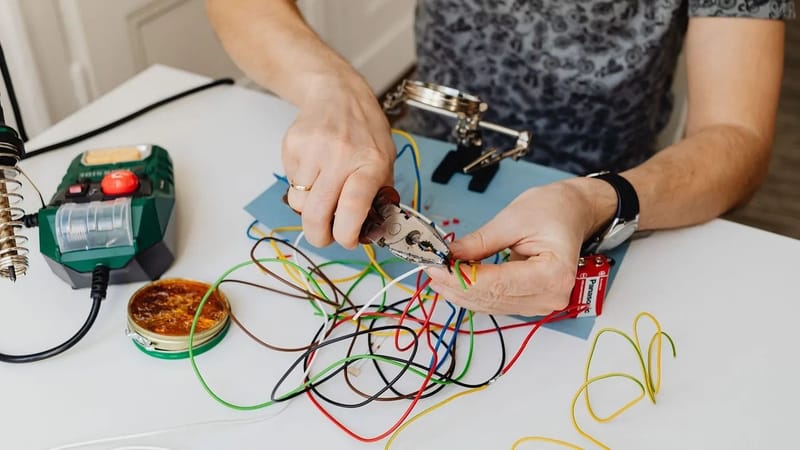
THE EVOLVING LANDSCAPE OF ELECTRICAL WORK Electrical systems are the backbone of modern living and business operations. From smart homes to high-demand commercial facilities, the scope of work has expanded well beyond basic wiring. Today’s projects require technical skill, code fluency, and a forward-looking mindset. Whether the job involves upgrades, retrofits, or ground-up builds, partnering with a qualified Electrician, an experienced Electrical Installation Service, or a licensed Electrical Contractor ensures reliable performance and long-term value. SAFETY AND CODE COMPLIANCE Electrical safety begins with design and continues through installation, inspection, and maintenance. Local and national codes evolve to reflect new materials, technologies, and best practices. Trained professionals apply those standards to protect people and property, reduce fire risk, and deliver solid grounding and bonding. They also account for load calculations, proper circuit protection, and clear labeling, so future work can be completed without guesswork. For property owners, this diligence translates into system stability and fewer surprises over a building’s lifecycle. SMART AND EFFICIENT TECHNOLOGIES Efficiency and control are driving a wave of modernization. Lighting controls, occupancy sensors, and high-efficiency fixtures can cut energy use while improving comfort. Smart panels and connected devices provide real-time insights into consumption and help pinpoint issues before they escalate. An Electrical Installation Service can integrate these components so they communicate seamlessly, reducing clutter and complexity. Electric vehicle charging, battery-ready wiring strategies, and thoughtful conduit planning help future-proof homes and workplaces, making upgrades simpler when needs change. POWER QUALITY AND RESILIENCE Sensitive electronics and mission-critical equipment demand clean, steady power. Voltage fluctuations, harmonics, and transient events can shorten equipment life or cause downtime. An Electrical Contractor can evaluate power quality, recommend surge protection, and design distribution systems that balance loads and minimize interference. For facilities where continuity matters, professionals can integrate standby generators, transfer equipment, or load-shedding strategies to keep essential circuits online during outages. The result is a system built to weather daily demands and unexpected events alike. PLANNING, PERMITTING, AND COORDINATION Even small projects can involve multiple stakeholders and timelines. Permits, inspections, and utility coordination require attention to detail and clear communication. A seasoned Electrician anticipates dependencies—framing milestones, drywall schedules, or equipment lead times—and plans accordingly. Accurate documentation helps streamline approvals, while as-built drawings support future service. When trades share information early and often, projects avoid rework and stay on track, saving time and reducing disruption for occupants.